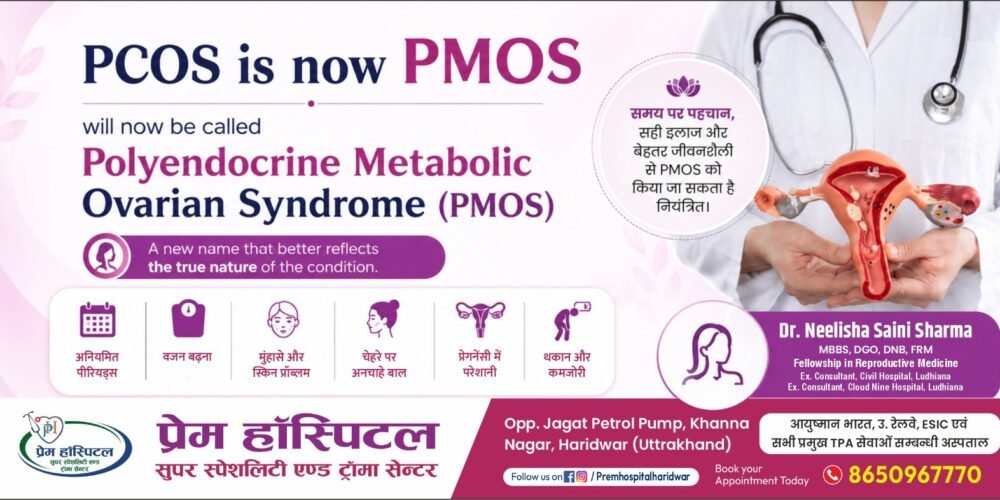
By Dr. Neelisha Saini Sharma Prem Hospital, Haridwar हाल ही में…
Understanding Fatty Liver Disease
Understanding Fatty Liver Disease
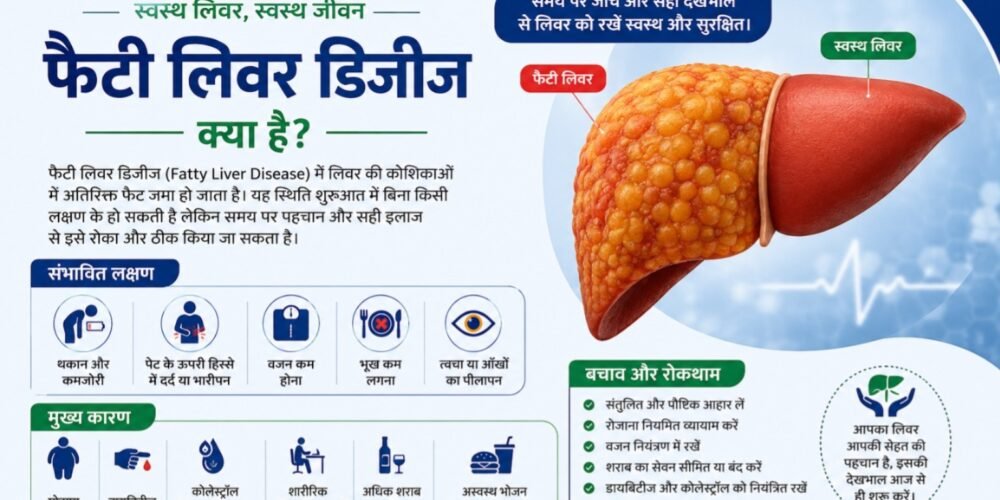
The liver is one of the most important organs in the human body, performing over 500 essential functions, including filtering toxins, aiding digestion, storing nutrients, and regulating metabolism. However, when excess fat accumulates in the liver, it can lead to Fatty Liver Disease—a condition that is becoming increasingly common due to unhealthy lifestyles, obesity, diabetes, and poor dietary habits.
In its early stages, fatty liver disease often causes no noticeable symptoms, making regular health check-ups essential for early detection. Fortunately, with timely diagnosis and appropriate lifestyle changes, the condition can often be reversed.
What Is Fatty Liver Disease?
Fatty Liver Disease occurs when fat makes up more than 5–10% of the liver’s weight. While a small amount of fat in the liver is normal, excessive fat can cause inflammation, damage liver cells, and, if left untreated, may progress to serious liver diseases. 
There are two major types:
1. Non-Alcoholic Fatty Liver Disease (NAFLD)
This is the most common type and occurs in people who drink little or no alcohol. It is often associated with obesity, diabetes, high cholesterol, and metabolic syndrome.
2. Alcohol-Related Fatty Liver Disease (AFLD)
This type develops due to excessive alcohol consumption, which damages liver cells and causes fat accumulation.
Common Causes
Several factors can increase the risk of developing fatty liver disease, including:
- Obesity or being overweight
- Type 2 diabetes
- High cholesterol and triglycerides
- High blood pressure
- Sedentary lifestyle
- Unhealthy diet rich in sugar and processed foods
- Excessive alcohol consumption
- Certain medications
- Polycystic Ovary Syndrome (PCOS)
- Family history of liver disease
Symptoms of Fatty Liver Disease
Many people experience no symptoms during the early stages. As the disease progresses, symptoms may include:
- Persistent fatigue
- Pain or discomfort in the upper right abdomen
- Unexplained weight loss
- Weakness
- Loss of appetite
- Nausea
- Enlarged liver
- Yellowing of the skin or eyes (in advanced liver disease)
If you notice these symptoms, consult a healthcare professional promptly.
Who Is at Higher Risk?
You may be at greater risk if you:
- Are overweight or obese
- Have diabetes or prediabetes
- Have high cholesterol or triglycerides
- Have hypertension
- Consume alcohol regularly
- Are over 40 years of age
- Lead a physically inactive lifestyle
Possible Complications
Untreated fatty liver disease may progress to:
- Liver inflammation (Steatohepatitis)
- Liver fibrosis (scarring)
- Cirrhosis
- Liver failure
- Increased risk of liver cancer
- Higher risk of heart disease and stroke
Early diagnosis greatly reduces the risk of these complications.
How Is Fatty Liver Disease Diagnosed?
Doctors may recommend one or more of the following:
- Physical examination
- Liver Function Tests (LFT)
- Blood tests
- Ultrasound abdomen
- FibroScan (where available)
- CT Scan or MRI (if required)
- Liver biopsy in selected cases
Regular screening is particularly important for individuals with diabetes, obesity, or metabolic syndrome.
Treatment Options
There is currently no single medication that cures fatty liver disease. Treatment focuses on addressing the underlying cause.
Lifestyle Changes
- Lose 7–10% of body weight if overweight.
- Exercise for at least 150 minutes each week.
- Follow a balanced diet rich in fruits, vegetables, whole grains, and lean proteins.
- Reduce sugary drinks, refined carbohydrates, and processed foods.
- Avoid excessive alcohol consumption.
- Stop smoking.
- Maintain healthy cholesterol and blood sugar levels.
Medical Management
Your doctor may also recommend:
- Medicines to manage diabetes, cholesterol, or high blood pressure
- Regular monitoring of liver health
- Nutritional counselling
- Specialist consultation for advanced liver disease
Can Fatty Liver Disease Be Reversed?
Yes. In many cases, especially during the early stages, fatty liver disease can be reversed with healthy lifestyle modifications, weight management, and proper medical care. Early intervention offers the best chance of preventing permanent liver damage.
Prevention Tips
Protect your liver by:
- Maintaining a healthy weight
- Eating a balanced diet
- Exercising regularly
- Limiting alcohol intake
- Managing diabetes and cholesterol
- Avoiding unnecessary medications without medical advice
- Getting routine health check-ups
Frequently Asked Questions (FAQs)
1. Is fatty liver disease serious?
It can become serious if left untreated, but early diagnosis and lifestyle changes can often prevent complications.
2. Can a slim person develop fatty liver?
Yes. Although obesity is a major risk factor, lean individuals can also develop fatty liver disease.
3. Does fatty liver always cause symptoms?
No. Most people have no symptoms in the early stages, which is why routine health screening is important.
4. Can exercise help?
Yes. Regular physical activity is one of the most effective ways to reduce liver fat and improve overall health.
5. Is fatty liver curable?
Early-stage fatty liver disease is often reversible with timely lifestyle modifications and medical supervision.
Why Choose Prem Hospital?
At Prem Hospital Super Speciality & Trauma Center, our experienced healthcare team provides comprehensive evaluation, advanced diagnostics, and personalized treatment plans for liver-related conditions. We believe in early detection, preventive care, and helping patients achieve long-term health through expert guidance and compassionate care.
Conclusion
Fatty liver disease is becoming increasingly common, but it is also highly manageable when detected early. By adopting healthier lifestyle habits, undergoing regular medical check-ups, and seeking timely treatment, you can protect your liver and reduce the risk of serious complications.
If you have diabetes, obesity, high cholesterol, or persistent digestive concerns, don’t ignore the warning signs. Early evaluation can make a significant difference.
Book your consultation at Prem Hospital Super Speciality & Trauma Center and take the first step toward better liver health.

Related Posts